
Formulation solutions
Anti-ageing solutions
The anti-ageing actives Celcode formulates with, from Royalactin and V-Tox to tri-coated retinol and DuoQ Power, and the formulation considerations for each.
Celcode's anti-ageing formulations combine actives that address different signs of ageing - a peptide that supports skin renewal (Royalactin), a muscle-relaxing tripeptide for expression lines (V-Tox), a lipid-rich antioxidant extract (Salmon Caviar DNA), a complex of growth factors (EGF Complex), a stabilised retinol (tri-coated retinol) and a mitochondrial antioxidant pair (DuoQ Power). Actives are selected per brief and formulated in serum, cream or ampoule bases, with stability and packaging chosen to protect them.
Ageing from a formulation standpoint
Visible ageing has several drivers, and a formulation usually targets more than one: slower cell renewal, loss of collagen and elasticity, repeated muscle contraction that sets expression lines, oxidative stress from UV and pollution, and dehydration. Celcode’s anti-ageing work ranges from antioxidant blends to actives that support cellular renewal, and the brief decides which drivers a product should address.
The actives
| Active | What it is | How it is designed to work | Supplier evidence (raw material, supplier test conditions) |
|---|---|---|---|
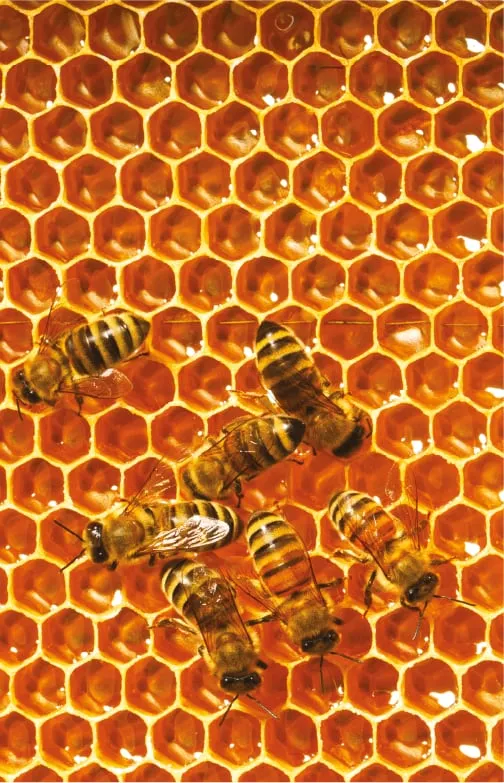
| Royalactin | A biologically active pentapeptide inspired by royalactin, the royal jelly protein linked to queen bee development, delivered in a shea-butter-based encapsulation | Interacts with epidermal growth factor (EGF) signalling to support epidermal regeneration; encapsulation improves penetration, gives controlled release and protects the peptide in the formulation | In a 28-day study the supplier reports smoother, more even-toned skin and faster skin renewal than untreated skin |
| V-Tox | A patented tripeptide that mimics Waglerin-1, a polypeptide from Temple viper venom | Reduces the muscle contractions that form expression lines, acting as a preventive against future lines | At 4% versus placebo the supplier reports lower wrinkle volume and fewer forehead wrinkles after 4 weeks |
| Salmon Caviar DNA | A lipophilic extract from the membrane of wild Alaskan salmon roe, rich in astaxanthin, omega fatty acids, retinol and vitamin E | Antioxidant and skin-conditioning; protects against extrinsic ageing factors including UVA, UVB, visible light and infrared | Supplier in vivo data at 0.5% over 28 to 56 days report reductions in wrinkles, pigmentation, roughness and redness; Halal-certified raw material |
| EGF Complex | A “pseudo-placenta” of five synthesised growth factors: EGF, IGF, acidic FGF, basic FGF and VEGF | Replaces growth factors that decline with age to support cell growth and reproduction; the five act synergistically | Supplier in vivo data report wrinkle reduction below the eyes and at the crow’s feet and improved elasticity within 2 to 4 weeks, plus increased moisture |
| Tri-coated retinol | Retinol protected by a triple-coating system | Keeps retinol more stable at elevated temperatures, improves skin penetration and collagen synthesis and reduces the side effects associated with retinol | Supplier data report 97% retinol retained at 25 °C and 92% at 45 °C over 9 weeks, and lower side-effect expression than liposomal retinol |
| DuoQ Power | Coenzyme Q10 combined with idebenone, a shorter-chain, more soluble CoQ10 analogue | Neutralises reactive oxygen species in both the cell membrane and the cytoplasm, protecting mitochondria | Supplier data report an environmental protection factor score of 95 and improvements in fine lines, roughness and hydration after 6 weeks in a 50-subject study |
Ingredient data on this page is supplied by the ingredient manufacturers and refers to the raw material under their test conditions. It informs the choice of an active; it is not a claim for any Celcode product. Claims for a finished product are substantiated for that product and worded within cosmetic scope at the regulatory check.
Formulation considerations
- Stability of actives. Peptides, growth factors and retinol each have their own sensitivities to pH, heat, light and oxidation. Encapsulated and coated forms are used where they protect the active, and the stability testing programme checks the actives in the final base and packaging.
- Base and delivery. Serum and ampoule bases suit concentrated peptide and growth-factor systems; cream bases suit retinol and lipid-rich extracts; the textures page explains the trade-offs.
- Packaging. Airless pumps, opaque or amber containers and single-dose ampoules limit air and light exposure for sensitive actives (see packaging).
- Combinations. Antioxidant, peptide and hydration systems are commonly combined; compatibility and pH are checked for the combination.
- Claims and usage. Retinol products carry usage guidance; expression-line and renewal claims are phrased within cosmetic scope. Both are set at the regulatory check.
Product formats
Anti-ageing actives are most often formulated as serums and ampoules, creams and eye creams, masks and, for clinics, professional-strength products.
Download
The anti-ageing solutions brochure (PDF, 2.3 MB) contains the supplier diagrams and study summaries behind this page. All brochures are listed on the brochures page.
Frequently asked questions
Can several anti-ageing actives be combined in one product?
Yes, and Celcode often combines lines of research in a single formulation - for example a peptide with an antioxidant and a hydrating matrix. Compatibility, pH requirements and stability are checked for the combination, not only for each active alone.
Is retinol difficult to formulate?
Retinol is sensitive to heat, light and oxidation. Celcode works with a tri-coated retinol designed for higher thermal stability, and pairs it with packaging that limits light and air exposure. Usage levels and warnings are set at the regulatory check.
Are the figures on this page claims for a Celcode product?
No. They are the ingredient suppliers' study results for the raw material under their test conditions. Claims for a finished product are substantiated for that product before they appear on its label.
- Written by
- Celcode Dermal Lab
- Published
- Updated